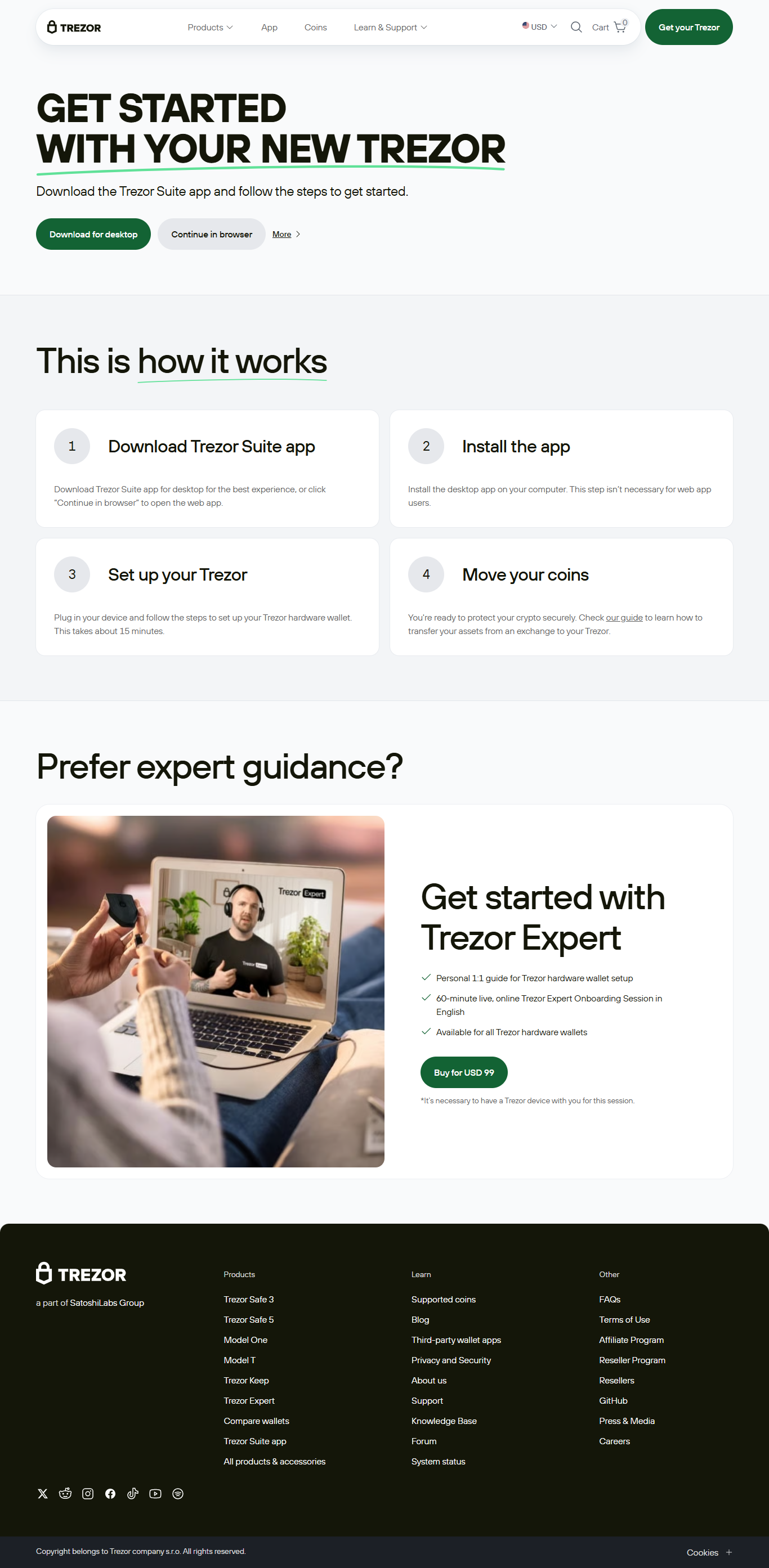
Trezor Bridge® — Connect Your Trezor to Web Browsers
Trezor Bridge® is an essential software component that allows Trezor hardware wallets to communicate securely with web browsers. Designed to act as a trusted connection layer, Trezor Bridge ensures that your device can interact seamlessly with browser-based applications such as Trezor Suite Web, third-party wallets, and supported crypto services—without compromising security.
If you use a Trezor device and prefer managing your crypto through a web interface, Trezor Bridge plays a critical role in making that experience smooth, private, and reliable.
What Is Trezor Bridge?
Trezor Bridge is a lightweight background application installed on your computer. Its primary function is to enable secure communication between your Trezor hardware wallet and your web browser.
Modern browsers no longer allow direct USB access for security reasons. Trezor Bridge solves this by acting as a local intermediary that:
Detects your connected Trezor device
Establishes a secure communication channel
Allows browser-based wallet apps to interact with your device safely
Without Trezor Bridge (or supported alternatives like WebUSB), browsers would be unable to recognize your Trezor wallet.
Why Trezor Bridge Is Important
Security and usability are the core reasons Trezor Bridge exists. It ensures that sensitive operations—such as transaction signing and wallet access—remain isolated from the browser environment.
Key Benefits
Enhanced Security – Private keys never leave your Trezor device
Browser Compatibility – Works with major browsers like Chrome, Firefox, and Edge
Stable Connection – Reduces USB and device recognition errors
Automatic Updates – Keeps compatibility with new browser versions
Trezor Bridge is maintained by Trezor to ensure long-term reliability and safety.
How Trezor Bridge Works
Trezor Bridge runs silently in the background once installed. When you connect your Trezor hardware wallet via USB:
The Bridge detects the device
Your browser sends requests to Trezor Bridge
Trezor Bridge forwards those requests securely to your device
All sensitive actions are confirmed directly on the Trezor screen
This process ensures that even if a website is compromised, your funds remain protected because every transaction requires physical confirmation.
Supported Operating Systems
Trezor Bridge is available for the most common desktop platforms:
Windows (10 and newer)
macOS
Linux
Each version is optimized for its operating system and integrates smoothly with supported browsers.
Browsers Compatible with Trezor Bridge
Trezor Bridge works with most modern browsers, including:
Google Chrome
Mozilla Firefox
Microsoft Edge
Brave
While some browsers support WebUSB, Trezor Bridge remains the most stable and widely compatible option, especially for advanced or frequent use.
Trezor Bridge vs WebUSB
Some users wonder whether Trezor Bridge is still necessary. Here’s a simple comparison:
FeatureTrezor BridgeWebUSBStabilityHighMediumBrowser SupportWideLimitedSetupOne-time installNo installRecommended for beginnersYesNot always
For most users, Trezor Bridge is the recommended solution, particularly if you want consistent performance across browsers.
How to Install Trezor Bridge
Installing Trezor Bridge is quick and straightforward:
Download the official installer for your operating system
Run the installation file
Follow the on-screen instructions
Restart your browser if prompted
Once installed, Trezor Bridge runs automatically in the background whenever your computer starts.
Using Trezor Bridge with Trezor Suite Web
Trezor Bridge is commonly used with Trezor Suite Web, the browser-based version of Trezor’s official wallet interface.
With Trezor Bridge installed, you can:
Access your crypto accounts
Send and receive supported cryptocurrencies
Manage tokens and networks
Confirm transactions securely on your device
This setup provides the flexibility of web access with the security of a hardware wallet.
Troubleshooting Common Issues
Although Trezor Bridge is reliable, occasional issues may arise. Here are common solutions:
Device Not Detected
Check your USB cable
Try a different USB port
Ensure Trezor Bridge is running
Browser Connection Errors
Restart your browser
Clear cache and cookies
Disable conflicting wallet extensions
Outdated Bridge Version
Reinstall the latest version
Restart your computer after updating
Most connection issues are resolved quickly with these steps.
Security Best Practices
To maximize safety while using Trezor Bridge:
Always install from official sources
Keep your operating system up to date
Never enter your recovery seed online
Confirm all transactions on your Trezor screen
Trezor Bridge does not store personal data or private keys, making it a secure component of your crypto setup.
Who Should Use Trezor Bridge?
Trezor Bridge is ideal for:
Users who prefer browser-based wallet access
Anyone using Trezor Suite Web
Traders interacting with third-party DeFi or crypto services
Users seeking stable, long-term browser compatibility
Whether you’re a beginner or an advanced crypto user, Trezor Bridge simplifies secure access.
Final Thoughts
Trezor Bridge® is a vital tool for connecting your Trezor hardware wallet to web browsers securely and efficiently. By acting as a trusted communication layer, it ensures that your private keys remain protected while allowing smooth interaction with browser-based crypto applications.
For anyone using a Trezor device outside of the desktop app, Trezor Bridge provides the perfect balance between convenience, compatibility, and security—making it an essential part of the Trezor ecosystem.